
Game

Information / Synopsis

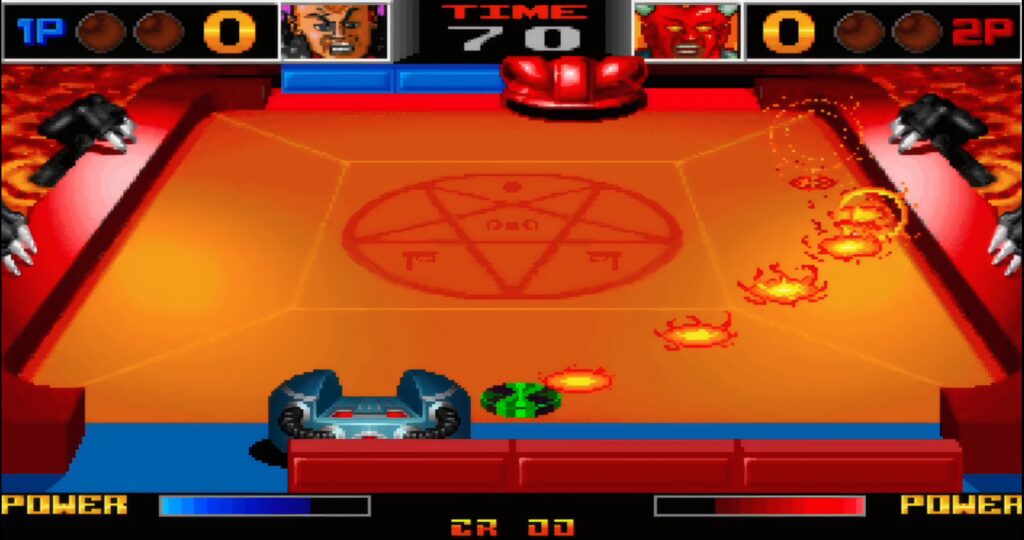
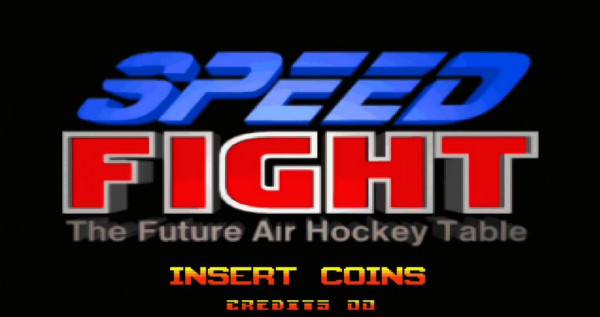
Speed Fight is an air-hockey-style arcade game with a superhero aesthetic, developed by Ecogames between 1994 and 1995 and credited to the team of Marcos Hernández, Xavi Artigas and Jose L. Sánchez. 

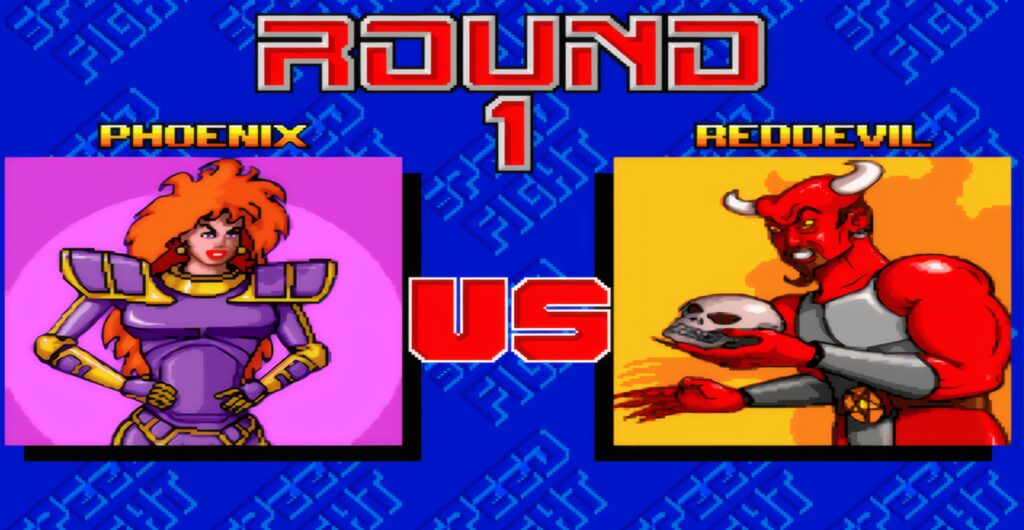
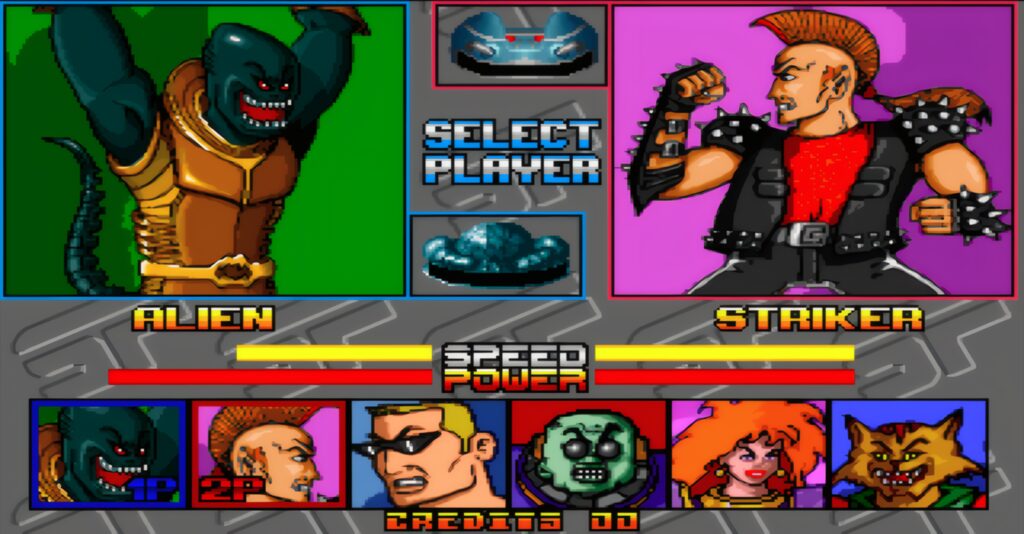
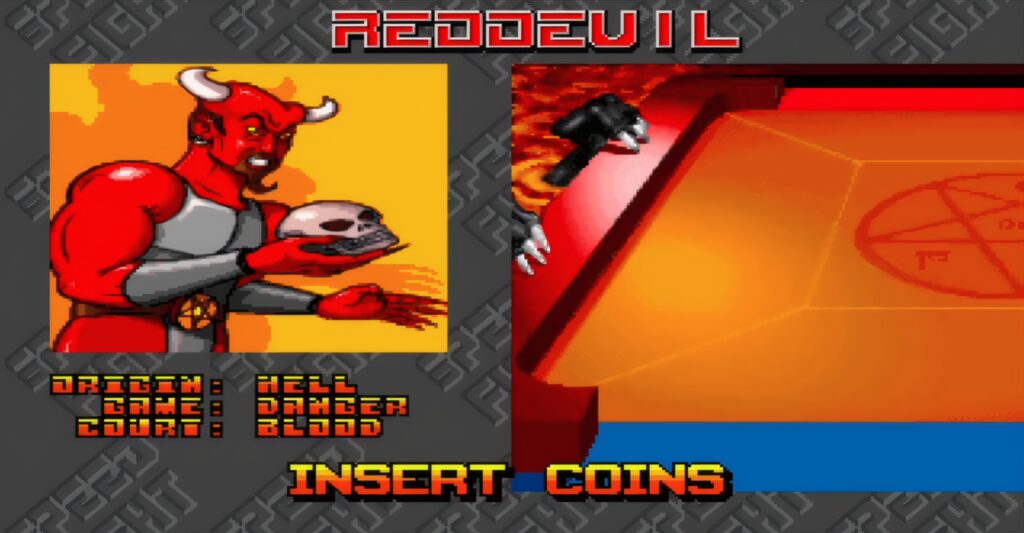
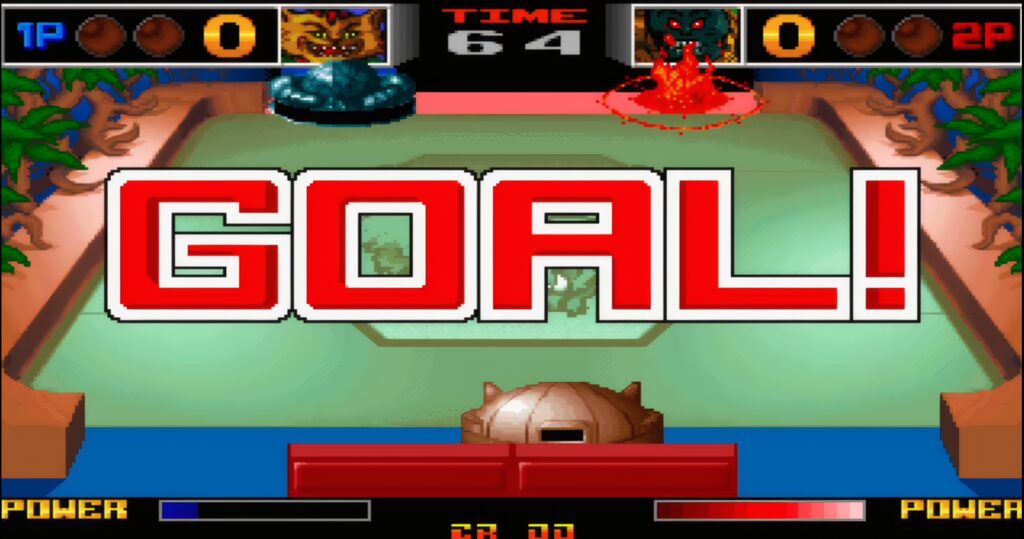
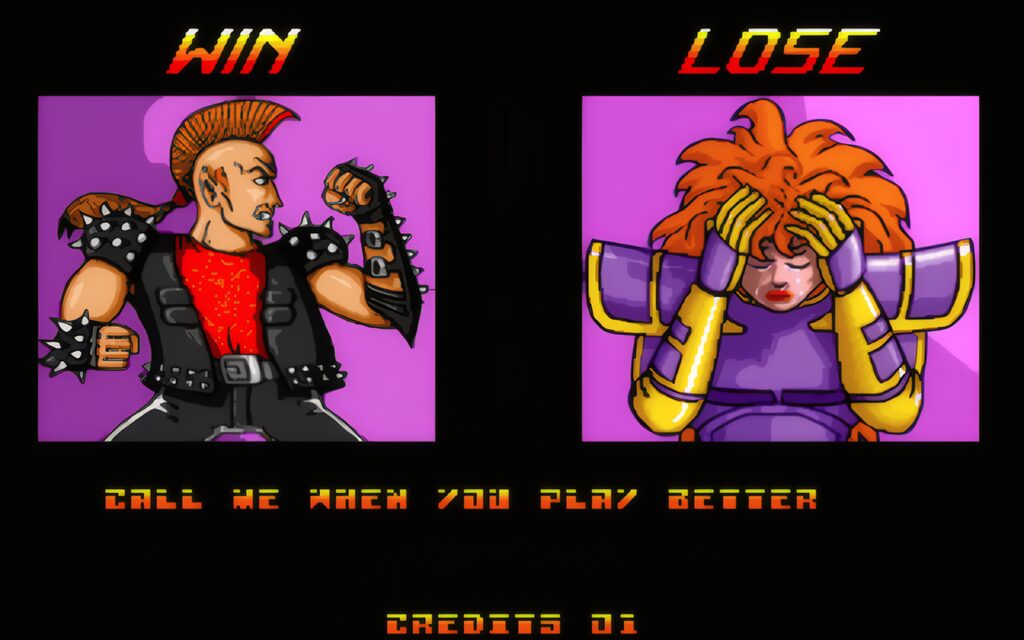
The game starts from the classic arcade-hall air hockey mechanic —two contenders facing off across a table, a puck bouncing between goals— and dresses it in the structure of a mid-1990s competitive arcade in the vein of Street Fighter: a character select screen, a roster of fighters with their own personalities, and round-based progression, with two secret characters that are unlocked as the player advances. The player can absorb the puck, charge up energy and unleash special shots through joystick combos, opening the door to a far more tactical experience than the original formula would suggest. The AI, written by Xavi, is tuned so that the machine deceives the player and forces them to miss in an organic way, without resorting to cheap moves. The character roster was designed by Jose —trained at the Escola de Còmic Joso— with a superhero comic-book look well beyond the usual visual standard for small productions of the period.

Technically, the game was developed on a second revision of the Ecogames hardware designed by Salvador Casamiquela: an architecture derived from the NEC V30 system that already powered Twins and LineUp, but with significant improvements originally intended for a tennis game. Compared to the previous board —direct writes to video memory with no acceleration whatsoever—, this revision added double buffering, a blitter for moving sprites and an extended 256-colour palette. The game's code is written entirely in assembly.

Development was fully completed on the VGA-based PC environment that the team used as a testbed before burning the EPROMs. Speed Fight, however, never reached the market: the game could not be successfully fitted to that hardware in an optimised way, and when Ecogames shut down in March 1995, the project was left as a finished binary waiting for a board that would never arrive.

The full story of Speed Fight —including what happened to its source code thirty years later— is told in Diario de un desarrollador de juegos arcade, Marcos Hernández's autobiographical section published within Javier Sancho's book La edad oscura del videojuego español de los 90 - Volumen 2.

Genres

Tags

Comic Multiplayer Retro

  Releases


31th
May
2026


Marcos Hernández 'Optimiza'

31th
May
2026


Marcos Hernández 'Optimiza'

Visual

  Share

BD Info

Added 03/05/2026
By Marcos Hernández «Optimiza»

Last update 10/05/2026
By Marcos Hernández «Optimiza»

DVGO_ID DVGO20260503JG007078


Add or update information

Information / Synopsis

Speed Fight is an air-hockey-style arcade game with a superhero aesthetic, developed by Ecogames between 1994 and 1995 and credited to the team of Marcos Hernández, Xavi Artigas and Jose L. Sánchez. 

The game starts from the classic arcade-hall air hockey mechanic —two contenders facing off across a table, a puck bouncing between goals— and dresses it in the structure of a mid-1990s competitive arcade in the vein of Street Fighter: a character select screen, a roster of fighters with their own personalities, and round-based progression, with two secret characters that are unlocked as the player advances. The player can absorb the puck, charge up energy and unleash special shots through joystick combos, opening the door to a far more tactical experience than the original formula would suggest. The AI, written by Xavi, is tuned so that the machine deceives the player and forces them to miss in an organic way, without resorting to cheap moves. The character roster was designed by Jose —trained at the Escola de Còmic Joso— with a superhero comic-book look well beyond the usual visual standard for small productions of the period.

Technically, the game was developed on a second revision of the Ecogames hardware designed by Salvador Casamiquela: an architecture derived from the NEC V30 system that already powered Twins and LineUp, but with significant improvements originally intended for a tennis game. Compared to the previous board —direct writes to video memory with no acceleration whatsoever—, this revision added double buffering, a blitter for moving sprites and an extended 256-colour palette. The game's code is written entirely in assembly.

Development was fully completed on the VGA-based PC environment that the team used as a testbed before burning the EPROMs. Speed Fight, however, never reached the market: the game could not be successfully fitted to that hardware in an optimised way, and when Ecogames shut down in March 1995, the project was left as a finished binary waiting for a board that would never arrive.

The full story of Speed Fight —including what happened to its source code thirty years later— is told in Diario de un desarrollador de juegos arcade, Marcos Hernández's autobiographical section published within Javier Sancho's book La edad oscura del videojuego español de los 90 - Volumen 2.

Links

  Releases


31th
May
2026


Marcos Hernández 'Optimiza'

31th
May
2026


Marcos Hernández 'Optimiza'

  Screenshots

  Credits

  Share